
Google Scholar Scraper for Citation Data
Google Scholar SERPs run on JavaScript with active bot detection. Our stealth proxy and headless-browser layer handle both, so your client-side stays a thin HTTP call.
Key Benefits:
 Sign up with Google
 based on 100+ reviews.


Mike Ritchie
CEO @ SeekWell

ScrapingBee simplified our day-to-day marketing and engineering operations a lot. We no longer have to worry about managing our own fleet of headless browsers, and we no longer have to spend days sourcing the right proxy provider
Common Google Scholar Scraping Workflows
Most teams scraping Google Scholar are extracting citation data, gathering author affiliations to map academic networks, or compiling publication dates to track research timelines.



Extract citation data
Extract citation data to analyze academic influence, track research trends, and enhance bibliometric studies for strategic insights.
Gather author affiliations
Gather author affiliations to map academic networks, identify collaboration opportunities, and enhance strategic partnerships.
Compile publication dates
Compile publication dates to track research timelines, identify emerging trends, and optimize strategic planning for decisions.
Transparent Google Scholar scraper API pricing
Cancel anytime, no questions asked!
Need more credits and concurrency per month?
(No credit card required)
How it works
Manually collecting data from Google Scholar is slow, limited and hard to scale. That's why more and more teams choose our API.
Create an account - get instant access to API key and 1,000 free credits to get started
Install our Python SDK (or Node, Go, PHP, Ruby - pick your stack). Each Google Scholar scrape becomes a single function call. No proxy rotation, no headless Chrome to manage.
One HTTP call: your API key plus a Google Scholar URL. Behind the scenes we rotate proxies, fingerprint-spoof, and render JS. Clean response comes back ready to parse.
When Google Scholar pages need more, gain advanced parameters. render_js for JavaScript, stealth_proxy for CAPTCHAs, country_code for geo-targeting, ai_extract_rules for natural-language data extraction.
Google Scholar Scraper API - Built for Google Scholar's Anti-Bot Stack
Pull Google Scholar paper pages at scale. Paper title, authors, abstract, citation count, publication venue, and publication year all parse in one call.
Efficiently extract structured data with AI, simplifying complex Google Scholar scraping for strategic business insights.
AI Web Scraping
Capture Google Scholar visuals instantly. Bypass bot blocks by loading the page in a real browser environment.
Screenshot API
Extract Google Scholar data with our specialized API. No rate limits. No complexity. Just pure search intelligence.
Explore Google Search API
Run custom JavaScript to mimic user actions, ensuring precise data extraction from dynamic content on the platform.
JavaScript Scraping API
Pull Google Scholar pages as clean Markdown, ready to feed into an LLM for citation analysis or research-paper summarization workflows.
Data Scraping Tool
Scrape Google Scholar by automating citation-tracking workflows with n8n and our API. No scraper code required.
No Code Scraper
Trusted by 4,500+ developers and data teams
Scraping is 50% dealing with ever-changing HTML files and 50% massaging data into a useable format. ScrapingBee’s incredible AI feature can do both much better than I ever could. Now I can spend 100% of my time on what matters most; my business.

Arvid Kahl,
Founder at Podscan
ScrapingBee helps us to retrieve information from sites that use very sophisticated mechanism to block unwanted traffic, we were struggling with those sites for some time now and I'm very glad that we found ScrapingBee.

Anton R,
CTO

ScrapingBee clear documentation, easy-to-use API, and great success rate made it a no-brainer.

Dominic Phillips,
Co-Founder at CodeSubmit
I'm a PhD candidate with absolutely no web scraping experience and needed to scrape some data for a dissertation project. ScrapingBee helped me get the job done quickly and easily. Excellent customer support too. Couldn't be happier!
Sam,
PhD candidate
So easy to set-up, straightforward and performance. They are reachable and kind, they introduced us properly their tool and offered the best solution for our need.

Maxime Y,
Product Manager @ NordFolk
Great SaaS tool for legitimate scraping and data extraction. ScrapingBee makes it easy to automatically pull down data from the sites that publish periodic data in a human-readable format.

Andy Hawkes,
Founder at Loadster
Good experience. I found this proxy service more effective compared to previous ones that were being used. It is fast and efficient.
Aayushi,
Senior analyst
Fantastic service: works flawlessly, best support I've experienced. It just works: and its parsing meta-language is wonderfully powerful. Most importantly, the support I've received has been superlative.
Mike P.,
VP
Excellent service, glad we made the switch! We could always dedicate resources and build our own systems for everything... or we could simply call the scrapingBee API and focus on the data. It makes our work so much easier.
Daniel L,
Lead dev
Recognized for excellence
in web scraping
You're in great company
4,500+ developers use ScrapingBee to handle proxies, browsers, and anti-bot bypass.





The Google Scholar Surface. Mapped
Every Google Scholar result returns paper title, authors, abstract snippet, citation count, publication venue, publication year, and cited-by URL.
Setup in Under Five Minutes
Working code samples per language. Test in the dashboard request builder first, then drop the generated snippet into your codebase.
DocumentationFrom Google Scholar URL to Clean JSON
Send a Google Scholar URL through our API. We render the JavaScript and return paper title, authors, abstract, citation count, publication venue, and publication year as structured JSON via extract_rules or ai_extract_rules.
Web Scraping API
ScrapingBee in numbers
Developer Experience
Top-rated support &
documentation
Our team is here to guide you when you need the extra assistance. And we're constantly working on new features to make your life easier.
Fantastic documentation
Take a look at our documentation and get started in minutes!
Code samples
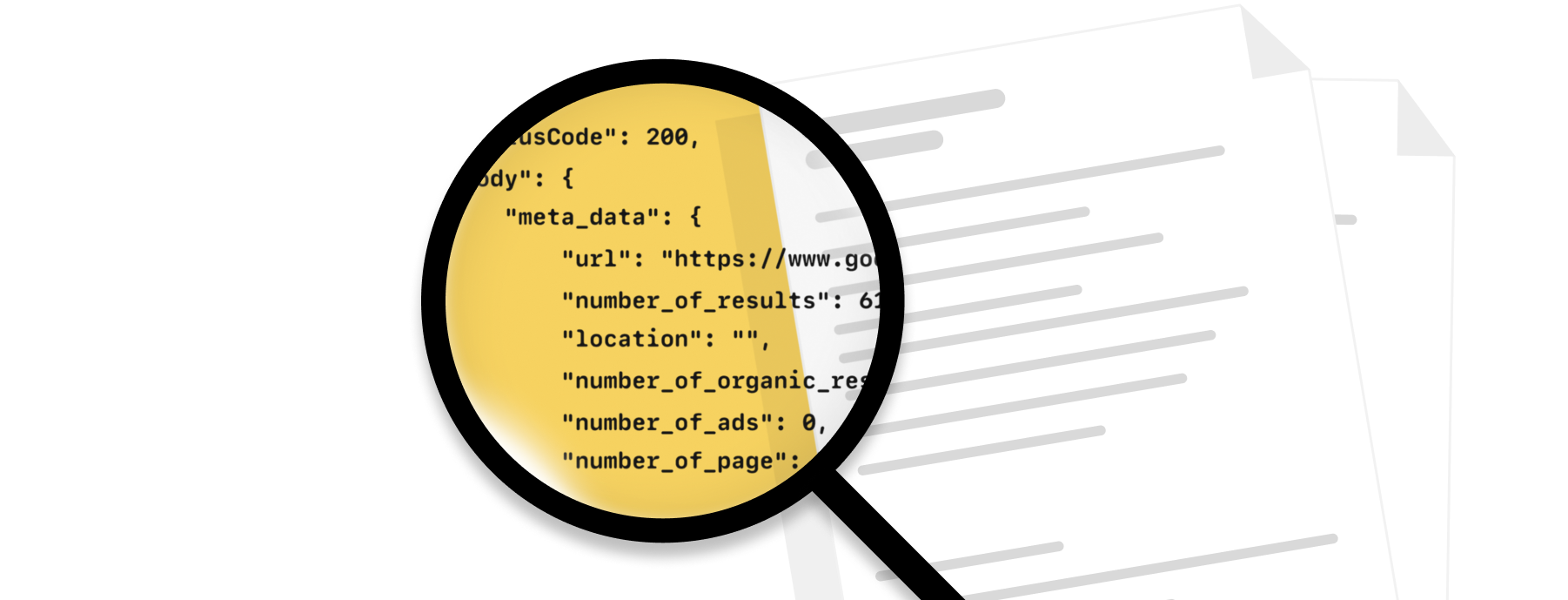
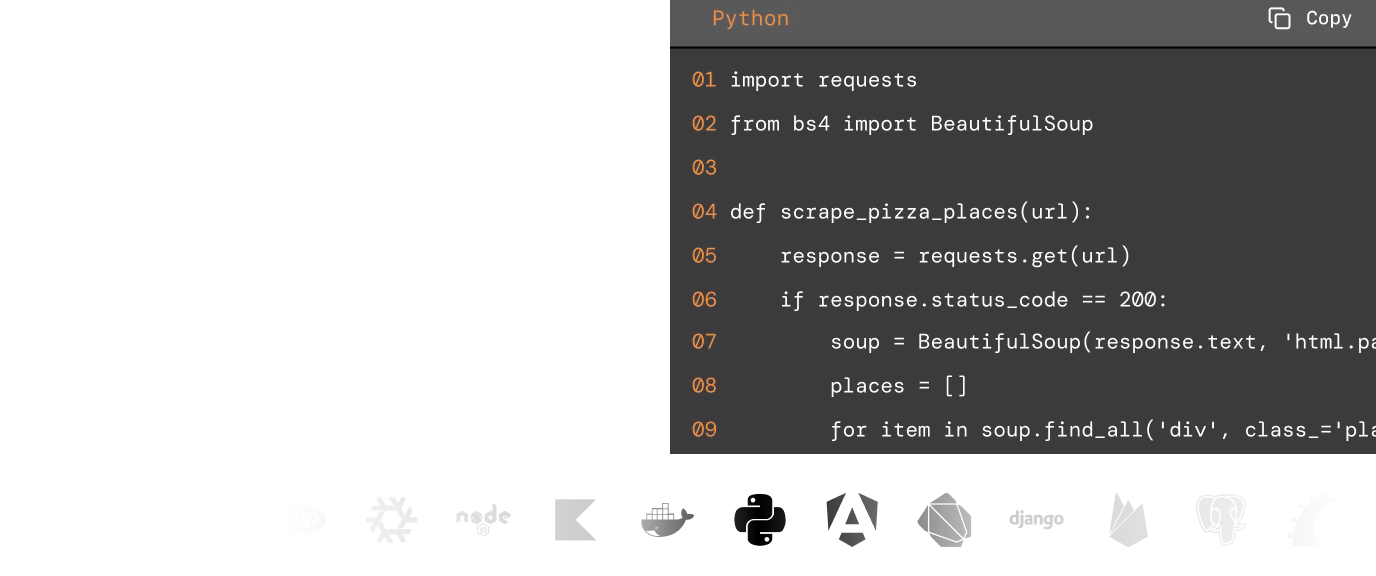
Whatever the programming language you enjoy, we have written code examples in Java, Python, Go, PHP, cURL and JavaScript.
Knowledge base
Our extensive knowledge base covers the most frequent use cases with code samples.
Exceptional support
Fast, engineer-led support via live chat or email
Explore web scraping insights
Check out our documentation to find out more on how to utilise our API for your scraping needs.
AI Data Extraction
JS Rendering
Stealth Proxy
Screenshots
Custom Cookies
Download Images
More markets. More opportunities.
Expand your data collection beyond this scraper.
Why ScrapingBee?
The most reliable web scraping API, trusted by 4,500+ developers worldwide.
- Data analysts
- Growth teams
- Developers
- E-commerce businesses
GDPR and CCPA compliant
ScrapingBee does not collect or store personal data from scraped sites unless their user explicitly requests it.
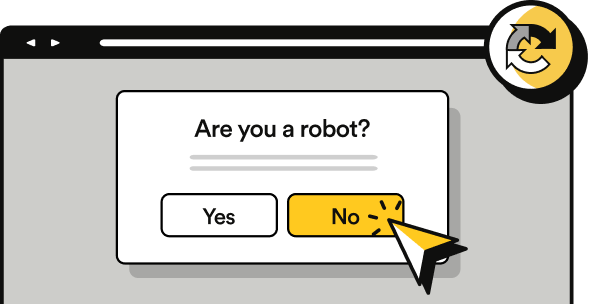
CAPTCHA bypass capacity
We handle proxy rotation to avoid IP-based blocking. With headless browser rendering, we mimic real user browsing behaviour and reduce the blocking risk.
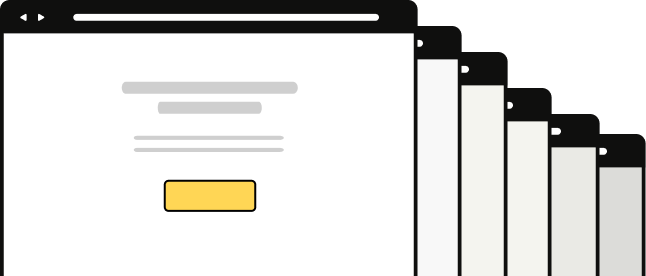
Scalable
The platform scales smoothly with thousands of headless browsers and rotating proxies, ensuring fast, reliable performance even during traffic spikes.
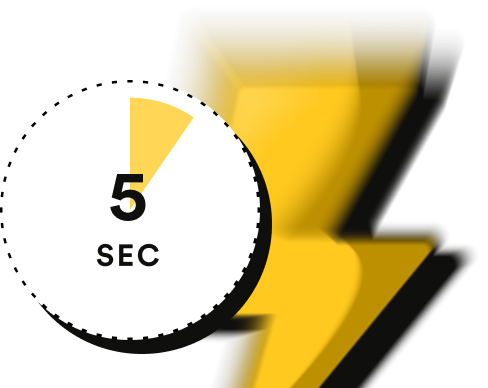
Speed and accuracy
We deliver fast, reliable results in 1-5 seconds with high accuracy across most sites, even JavaScript-heavy ones.
Google Scholar Scraper FAQs
Pass render_js=true on the request. We run the page in a real headless browser, execute the JS server-side, and return the post-render HTML.